It’s easy to treat impact as a destination: an achievement, a north star, a 10-year plan. We’re shifting that, because impact isn’t something you accomplish. It’s something you actively do.
For decades, the social sector has treated impact like a trophy: gather the evidence, craft the story, hand it to a funder, feed it to the Board. Evidence stopped informing decisions and started validating them. Strategy and evaluation chased the funder’s story, not the community’s need. And the communities with the most at stake had the least say in what counted as success.
What this actually means in practice.
The sector treats impact like something you earn, prove, and put on a shelf — a metric in a report, a stat on a website, a story told to a funder. This post dismantles that concept and introduces what it really means to treat impact as an active, ongoing practice of resourcing, dismantling, amplifying, and sustaining change with and for communities. Kicks off a series of blog posts unpacking what this looks like in the field.
Hopelab Ventures had plenty of standalone impact stories, but no way to see what their whole portfolio was producing together. This post walks through the MERL framework we co-created to track short-term company growth, mid-term outcome archetypes, and long-term ecosystem shifts, and the lesson that a good framework doesn’t need to be perfect, just iterative.
Decolonizing Wealth Project’s goal is $1 trillion in reparative giving, but the real story isn’t the number, it’s the sector transformation behind it. This post explains how we built a measurement system that tracks dollars moved while also capturing the narrative, policy, and practice shifts that make the movement possible.
A seat at the table isn’t the same as power. This post looks at our evaluation of the Responsible Tech Youth Power Fund, a pooled fund built to shift real decision-making authority to young leaders, and lays out what it takes to measure whether power is actually moving, not just who’s in the room.
Open Supply Hub’s data fuels accountability, compliance, research, and coordination, all through the same platform, all leading to different kinds of impact. This post introduces the five-stage framework we built to hold every pathway and every stage of change, from first awareness to full systems shift, without flattening any of it into one story.
Some impact can’t be traced back to a single source, and that’s often the point. This post uses FreeFrom’s work reframing gender-based violence as an economic issue to explore why narrative change resists clean attribution, and why measuring contribution instead of credit is sometimes the more honest approach.
We ask our clients how their values drive their strategy and decisions. This post turns that question on ourselves, spotlighting how I2I builds equity into hiring, pricing, AI adoption, and internal measurement. Good intentions are nouns; closing the gap between what you say and how you operate is the verb.
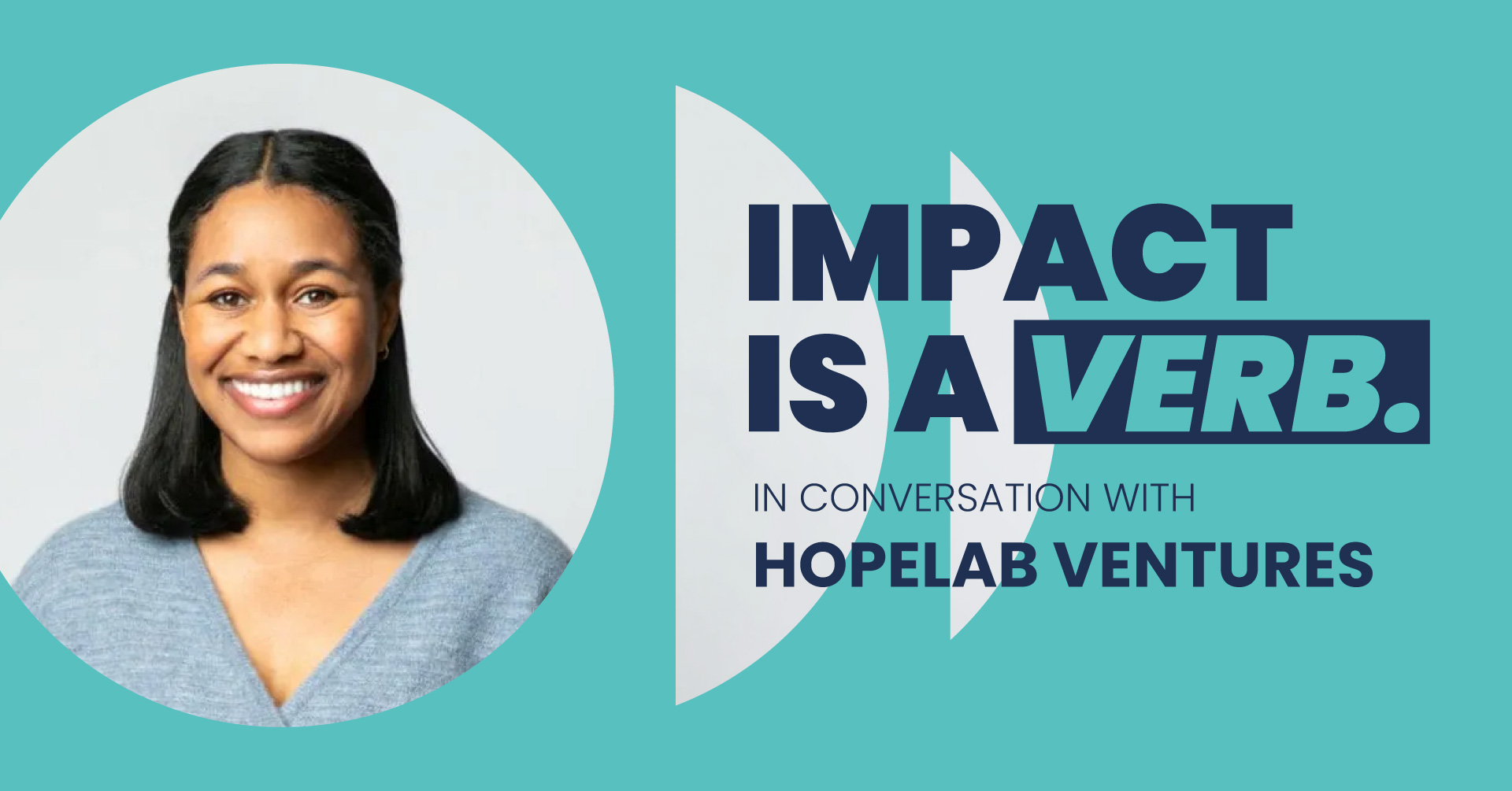
For Hopelab Ventures, impact used to mean number of youth served. But seeing the full story across their portfolio changed everything: how they talk to their board, how they evaluate new investments, even how they think about impact itself. Erin Sietrstra, Head of Investments, on what happens when the picture finally comes into focus.
Want to learn more about how we can help your organization?